
Urethane Casting Services
JuqiFab delivers master-grade urethane casting with +/-0.1mm tolerances, bridging the gap between 3D printing and high-volume injection molding in 10 days.

ISO
9001 Compliant

30+
CNC Machines

100+
Materials Options

10K+
Parts Made Monthly
What You Can Expect
from JuqiFab
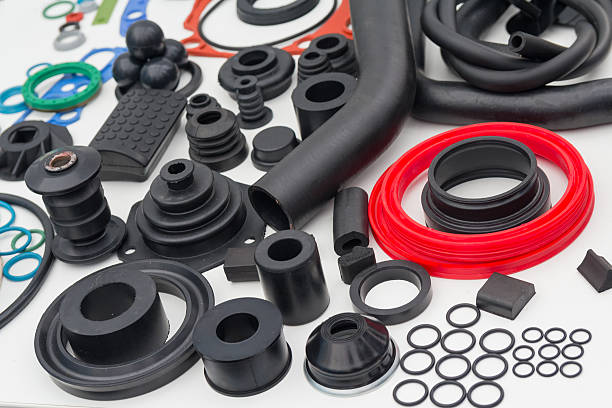
Urethane Casting Materials
ABS-Like Polyurethane
A versatile workhorse for structural housings. It mimics the impact resistance and tensile strength of thermoplastic ABS, making it ideal for mechanical assemblies requiring snap-fits and durable enclosures.
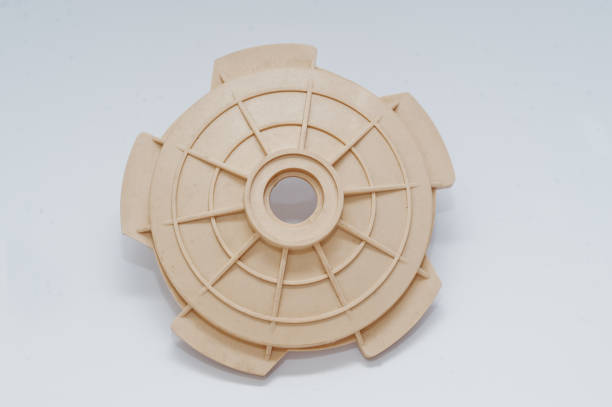
Polypropylene-Like Polyurethane
Engineered for high fatigue resistance and flexibility. This material excels in living hinges and fluid-handling components where the part must withstand repeated stress cycles without stress whitening or fracture.
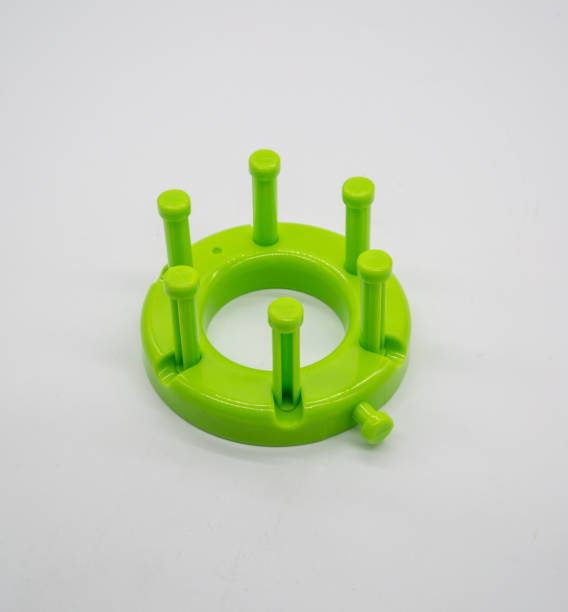
Polycarbonate-Like Polyurethane
Selected for its optical clarity and high impact strength. This resin is the industry standard for transparent covers, light pipes, and medical device components requiring high-energy absorption and heat resistance.
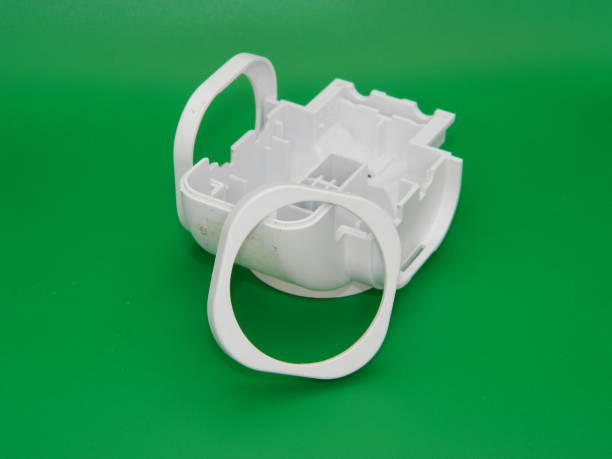
Glass-Filled Nylon-Like Polyurethane
Reinforced for maximum stiffness and thermal stability. This composite-grade resin minimizes warping under load, serving demanding automotive under-the-hood applications and high-torque mechanical brackets requiring superior dimensional retention.
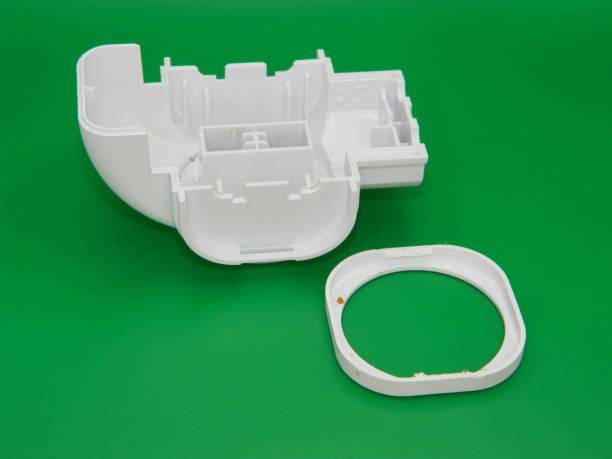
Urethane Casting Surface Finishes
Matte Finish
A non-reflective, diffused surface that hides fingerprints and minor handling wear. Essential for industrial control panels and internal mechanical housings.
Semi-Gloss Finish
Provides a subtle sheen that enhances color depth while maintaining professional restraint. Ideal for consumer electronics and medical equipment enclosures.
Inside Our Factory
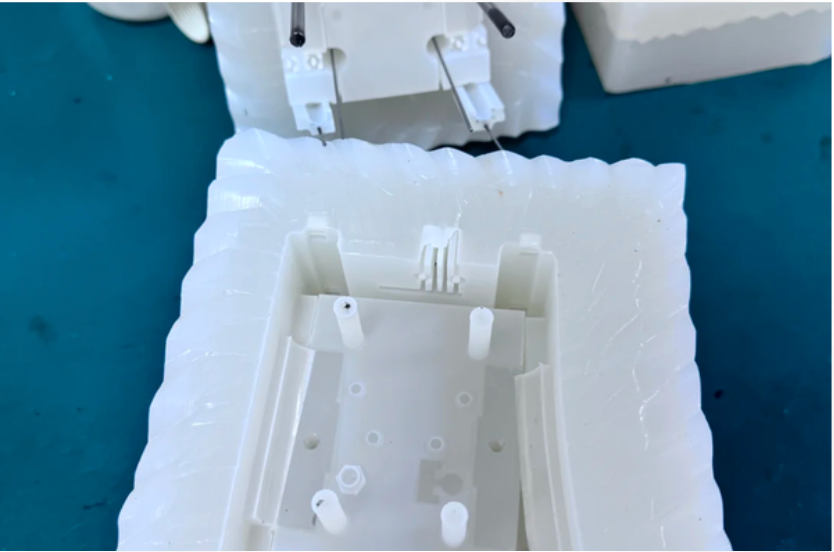 Vacuum Casting Factory
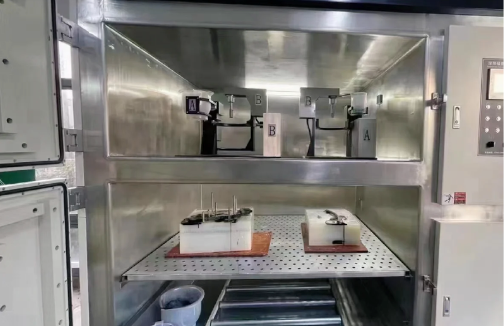 Vacuum Casting Factory
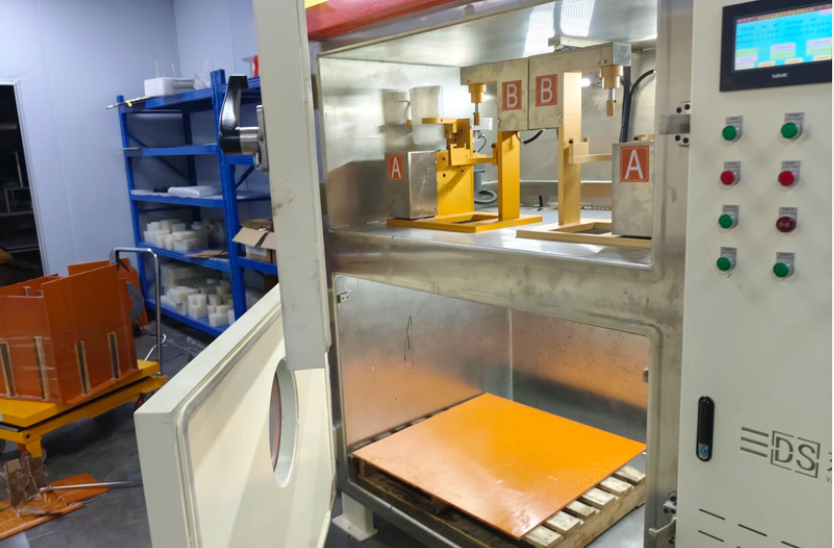 Vacuum Casting Factory
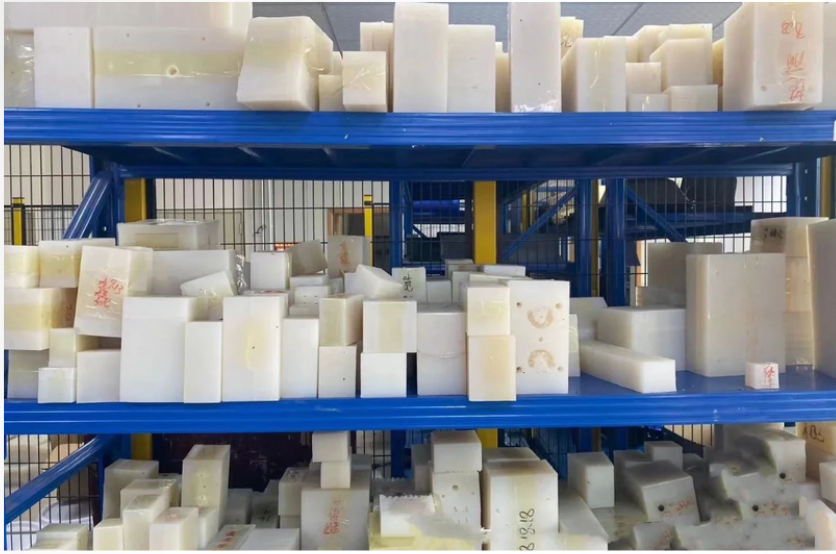 Vacuum Casting Factory
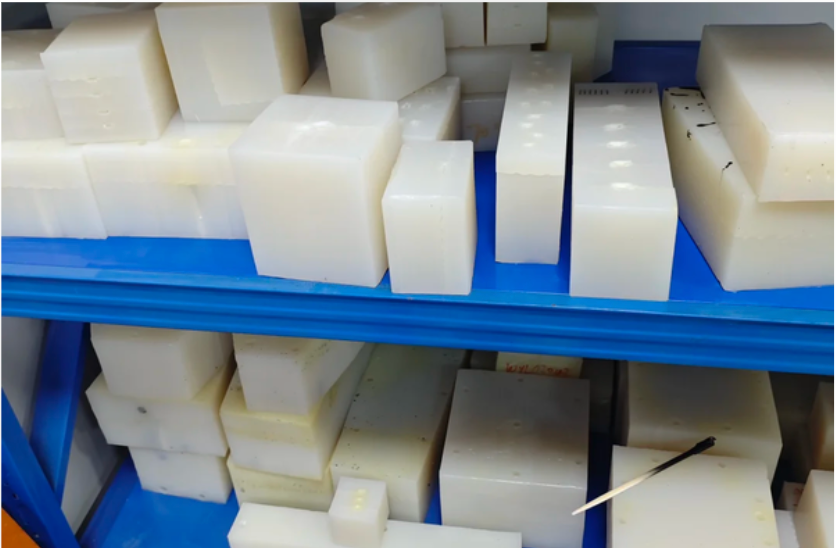 Vacuum Casting Factory
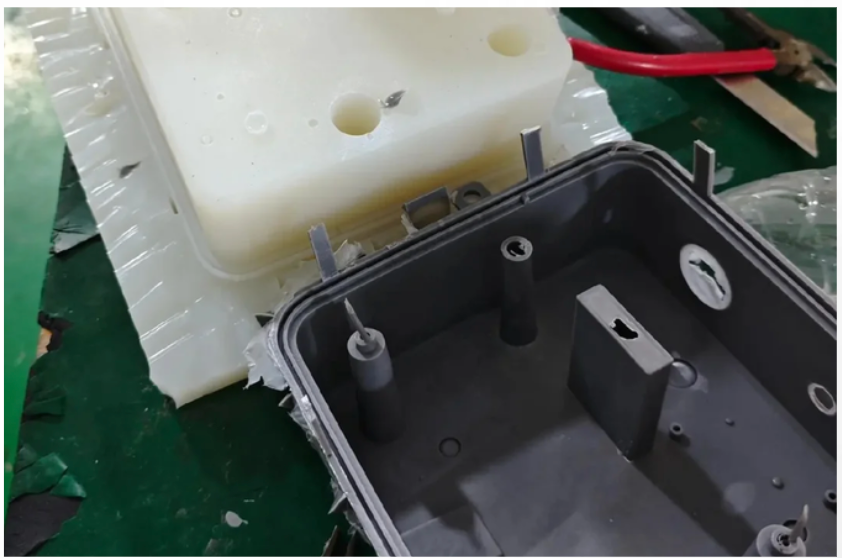 Vacuum Casting Factory
From Design to Parts In 5 Steps

Upload CAD File
Receive a Quote
Manufacturing
Quality Control
Delivery
The Pros and Cons of
Urethane Casting
Pros
In the hierarchy of manufacturing, urethane casting serves as a critical bridge. Its primary advantage lies in the low barrier to entry for production-quality parts; you can achieve injection-molded aesthetics and material properties without the five-figure investment in hard tooling. The use of soft silicone molds allows for undercuts and complex internal features that would be impossible or prohibitively expensive to de-mold in traditional steel tooling.
Cons
However, the process is inherently limited by the lifespan of the silicone tool, which typically degrades after 20 to 25 shots due to the exothermic reaction of the resins. While the per-part cost is significantly lower than CNC machining for small batches, it remains higher than high-volume injection molding. Engineers must also account for linear shrinkage variables, which require experienced technicians to offset during the master pattern stage to ensure final assembly precision.